
Beyond the Beaker: Why Easy Access to Advanced Labs is the Engine of Biotech Innovation
In the dynamic world of biotechnology, brilliant ideas are the spark, but advanced laboratory facilities are the engine that drives them forward. It’s one thing to conceptualize a revolutionary drug delivery system or a cutting-edge diagnostic tool; it’s an entirely different, and far more complex, challenge to bring it to life. This is where the easy access to and the pivotal role of advanced labs become not just beneficial, but absolutely crucial for both individual startups and the overarching innovative health of a region.
Let’s dissect why these specialized spaces are non-negotiable for biotech progress:
1. Enabling the “Proof of Concept”
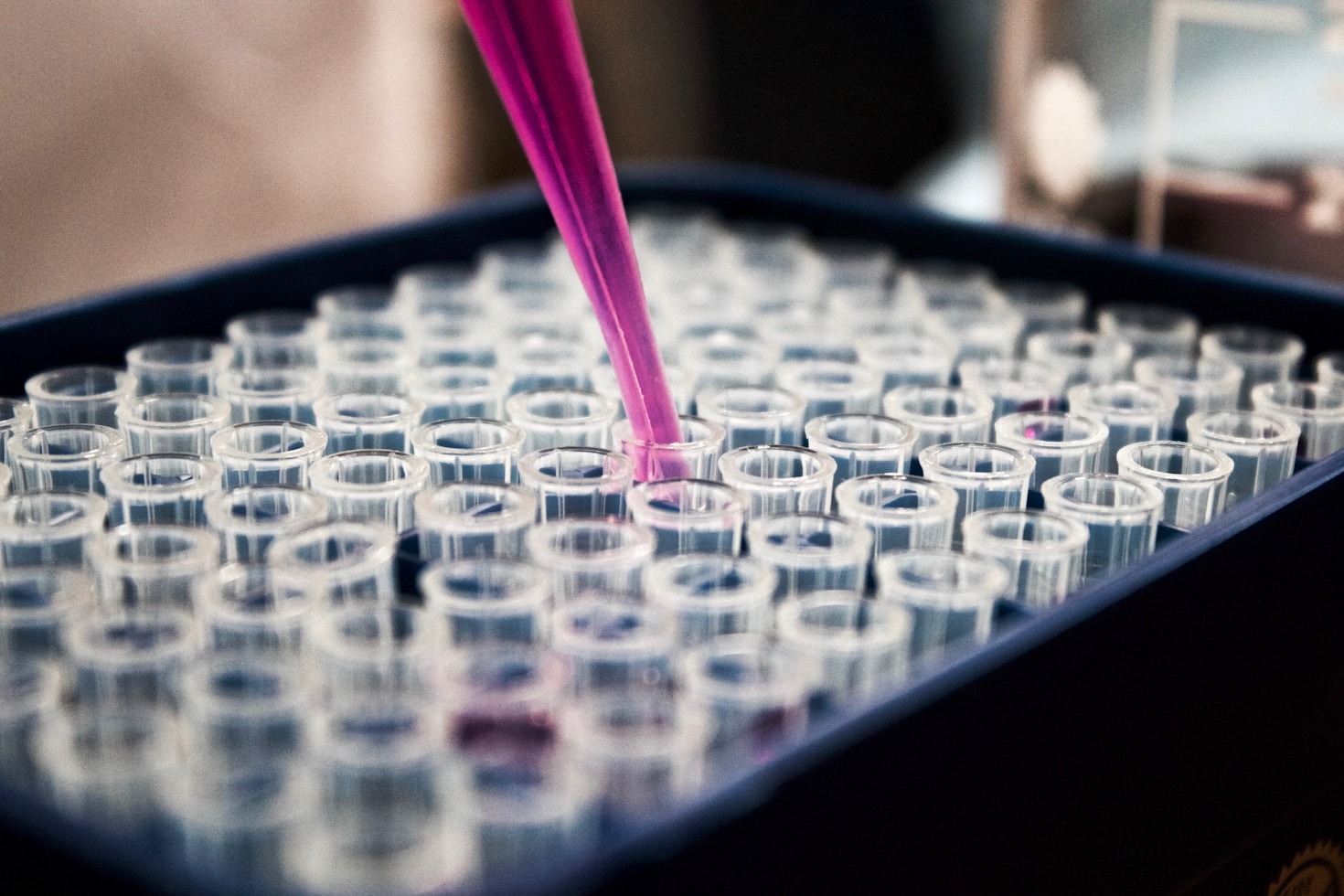
Every biotech innovation starts with a hypothesis. Does this molecule interact with that protein? Can this device detect that biomarker? These fundamental questions can only be answered through rigorous experimentation. Advanced labs provide the sophisticated equipment – mass spectrometers, high-throughput sequencers, flow cytometers, bioreactors, sterile cell culture facilities, and more – necessary to perform these experiments.
- For Startups: Without access to such tools, a nascent startup remains stuck in the theoretical phase. They can’t generate the crucial proof-of-concept data needed to validate their technology, secure grants, attract angel investors, or even file preliminary patents. Easy access means they can quickly move from idea to evidence, accelerating their development timeline significantly.
- For Researchers: It empowers academic researchers to push the boundaries of fundamental science, leading to discoveries that can later be translated into commercial applications.
2. Accelerating Development and Iteration
Biotech development is rarely a straight line. It’s an iterative process of experimentation, analysis, refinement, and re-experimentation. Advanced labs facilitate this continuous cycle.
- Speed is King: In a competitive landscape, the ability to rapidly test, fail fast, and iterate is paramount. Labs equipped with automation and high-throughput capabilities allow for more experiments in less time, drastically shortening development cycles.
- Precision and Reliability: Advanced instrumentation provides precise and reliable data, reducing errors and the need for costly re-runs. This ensures that decisions are based on solid scientific evidence, leading to more robust and effective innovations.
- Troubleshooting Capabilities: When experiments don’t yield expected results, advanced analytical tools help identify the root cause, enabling researchers to quickly pivot or troubleshoot their approach.
3. Attracting Top Talent and Investment
A region with a reputation for state-of-the-art lab infrastructure becomes a magnet for the brightest minds and the smartest money.
- Talent Magnet: Top scientists, engineers, and clinical researchers want to work in environments where they have the best tools at their disposal. Easy access to advanced labs signifies a commitment to cutting-edge science, making the region highly attractive to skilled professionals.
- Investor Confidence: Investors look for regions and companies that can demonstrate a clear path to product development and market entry. Seeing that a startup has access to the necessary lab facilities instills confidence that they can execute their scientific plan and bring their innovations to fruition. It de-risks the investment.
4. Fostering Collaboration and Specialization
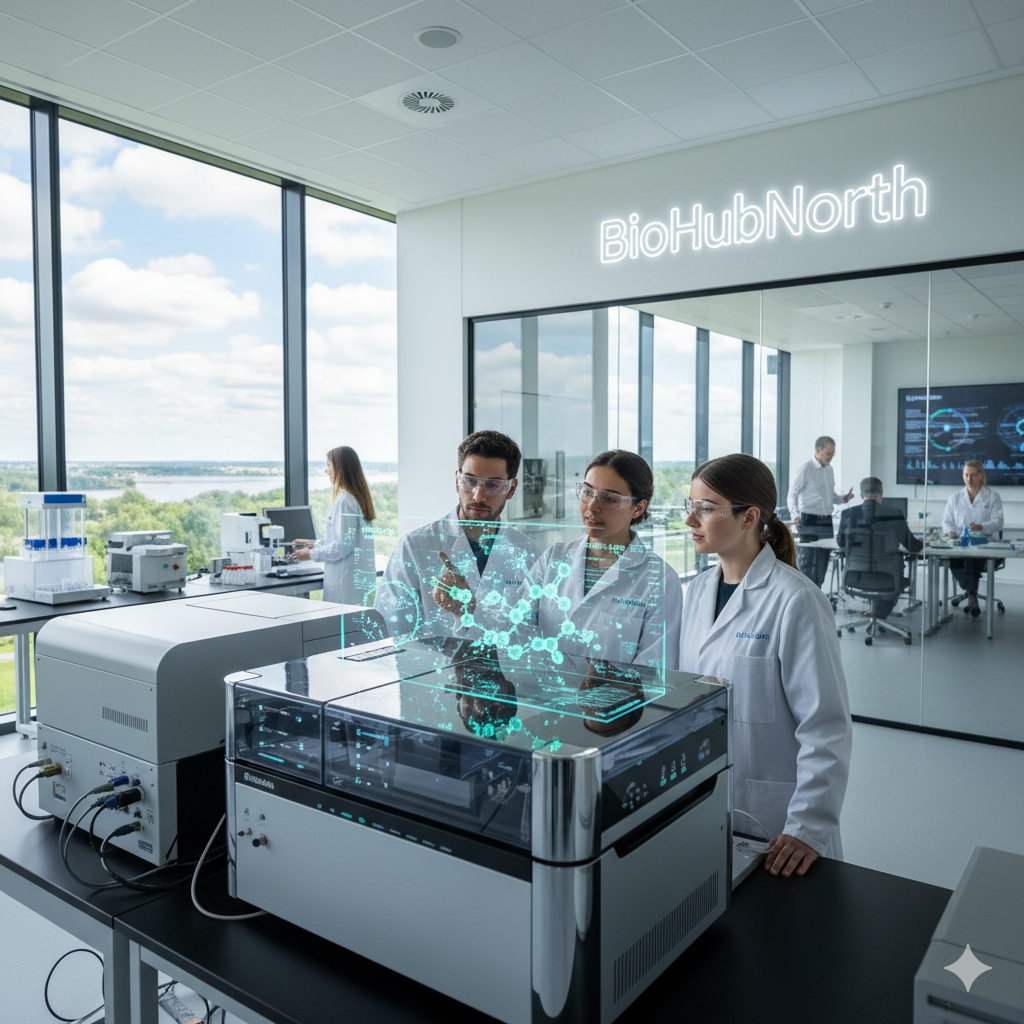
Centralized, advanced lab facilities, particularly those offered by hubs like BioHubNorth, inherently foster collaboration.
- Shared Resources, Shared Knowledge: When multiple startups and research groups share access to expensive equipment, it naturally leads to interactions, knowledge sharing, and potential collaborations. A specialist in one area might assist another, leading to unforeseen synergies.
- Niche Expertise: Some advanced labs focus on very specific techniques or analyses. Easy access allows startups to tap into this specialized expertise without having to build it in-house, optimizing resource allocation and accelerating highly specialized development.
5. Lowering Barriers to Entry for Startups
For early-stage biotech startups, the capital expenditure required to set up a fully equipped advanced lab is often astronomical and prohibitive.
- Cost Efficiency: Incubators and innovation hubs that provide shared access to advanced labs dramatically lower the barrier to entry. Startups can lease bench space and pay for instrument usage as needed, avoiding massive upfront investments. This frees up crucial capital for research personnel, reagents, and other operational costs.
- Focus on Science: By outsourcing the headache of lab setup, maintenance, and certification, entrepreneurs can dedicate their precious time and resources to what they do best: groundbreaking science and product development.
In Northern Denmark, the strategic investment in facilities like BioHubNorth, in close collaboration with institutions like AAU and AAUH, exemplifies a profound understanding of this truth. By ensuring easy and affordable access to advanced laboratory infrastructure, the region is not just providing equipment; it’s building the very foundation upon which the next generation of life-saving therapies, diagnostic breakthroughs, and medical devices will be built. These labs are not merely spaces; they are the crucibles where innovation transforms from concept into reality.
What advanced lab capability do you think is most critical for early-stage biotech? Share your thoughts!
Leave a Reply